17 Noεμβρίου- Η επέτειος του Πολυτεχνείου
Ημέρα Μνήμης αφιερωμένη στην Δημοκρατία και την Ελευθερία.
Τα παιδιά έγραψαν συνθήματα, εξιστόρησαν τα γεγονότα της εποχής και εξέφρασαν τις σκέψεις και τα συναισθήματά τους.
17 Noεμβρίου- Η επέτειος του Πολυτεχνείου
Ημέρα Μνήμης αφιερωμένη στην Δημοκρατία και την Ελευθερία.
Τα παιδιά έγραψαν συνθήματα, εξιστόρησαν τα γεγονότα της εποχής και εξέφρασαν τις σκέψεις και τα συναισθήματά τους.
November 17th- The anniversary of the Polytechnic
A Memorial Day dedicated to Democracy and Freedom.
The children wrote slogans, narrated the events of the time, and expressed their thoughts and feelings.
It was the standard question – an invitation from the “ΕΚΚΛΗΣΙΑ ΤΟΥ ΔΗΜΟΥ”. The question was answered by any citizen with something important to say, and no one feared a counter-argument. After all, isogoria, i.e. the equal right of every citizen to speak in Pnyka, was one of the main pillars of the Athenian Republic. The plateau of Pnyka was the gathering place of the world, where the ΕΚΚΛΗΣΙΑ of the Municipality convened, and it was the heart of the Republic.
On the hill of Pnyka, nature, and history meet in an uninterrupted unity. In every stone and every tree of the hill still echoes the voices of a living multitude who embodied freedom, justice, and participation. On this historic hill, the symbol of the West first emerged, and the first-world civilization began because democracy is a historical event and a living institution that connects us to today and is a fundamental condition for the continuous development of societies.
The exhibition LIFE IN SPACE offered us a unique opportunity to get to know the fascinating history of man’s conquest of space and all the technology used for this purpose. Unique structures, historical exhibits and a virtual reality experience enchanted young and old alike and created an unforgettable space travel experience.
This field trip was indeed an out-of-this-world experience, igniting a passion for space exploration and leaving our students with stars in their eyes.
Check out the incredible snapshots from our cosmic journey, and stay tuned for more stellar adventures!
An ART masterpiece we never forget!
#Project_based_learning
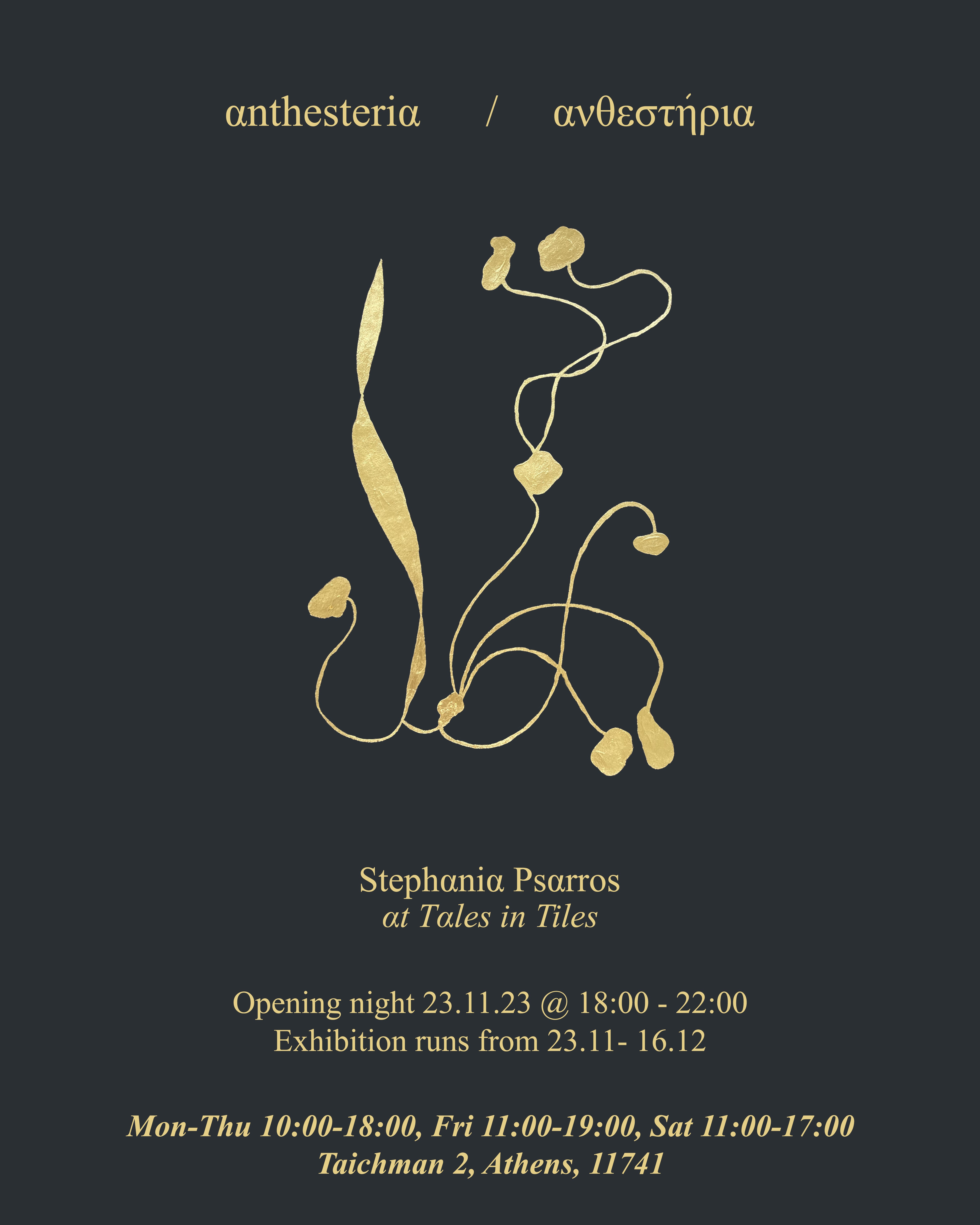
We are thrilled to announce the upcoming exhibition featuring the exceptional artworks of our talented art teacher, Stephania Psarros. This captivating display of creativity will showcase a diverse range of artistic expressions, reflecting the passion and expertise that she brings to the classroom.
Origami Technique Project #Year3
IB PYP: Sharing the Planet: Dinosaurs
Origami is a tool for children to develop spatial and perception skills, learn mathematics, refine dexterity and hand-eye coordination, and improve concentration. Origami improves spatial visualization and mathematics skills.
Origami was invented by the Japanese about a thousand years ago. The word origami comes from the Japanese oru [“to fold”] and kami [“paper”]. It has become the generic description of the art form of folding paper. It is used as visual art and entertainment and has applications in mathematics, architecture, and medicine. There is no age limit; it is an art that entertains young and old. The constructions can even be used as space decorations.
After investigating this broadly known technique, students created and presented their origami.
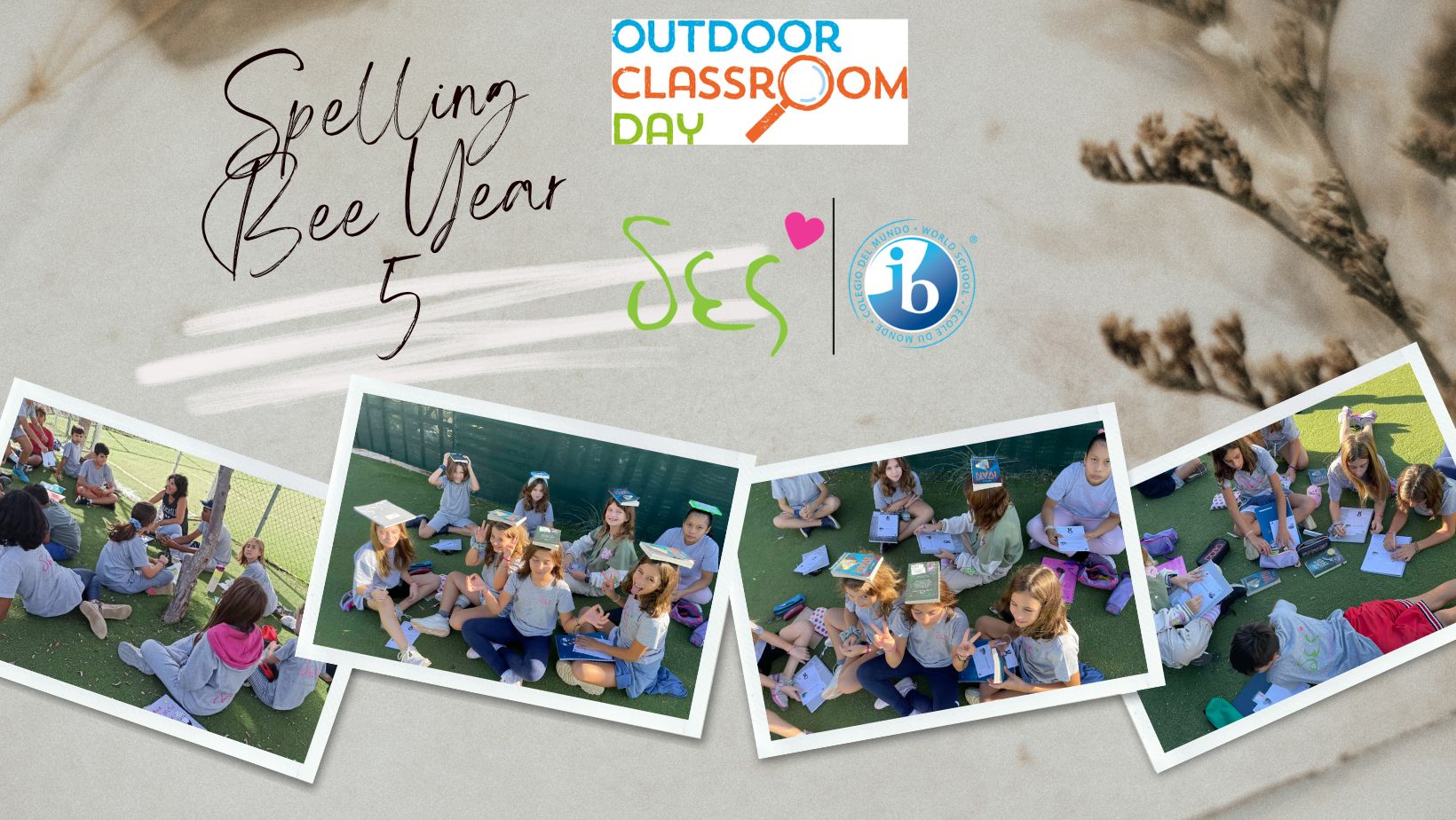
Outdoor Classroom everyDay @ DES
We believe children should be outdoors every day!
If you believe children should be outdoors – playing, learning, exploring – every day, then join our DES community.
“Academic research shows that active play is the natural and primary way that children learn”
Sir Ken Robinson, an expert in education, creativity, and human development.



Jackson Pollock:”Painting is self-discovery and has a life of its own!”
Teaching art to preschoolers is like handing them a magic wand to navigate the wild and wacky world of crayons, glue, and glitter. Sure, we could focus on essential life skills like reading, math, and basic survival tactics, but have you ever tried to decipher the intricate symbolism of a finger-painted masterpiece? Preschool art class is where future Picassos are born, and our little prodigies can boldly declare that they will not conform to a world of “inside the lines” thinking. So, let’s embrace the whimsical chaos of preschool art class and let those tiny artists run wild, creating masterpieces that will leave us in awe and a little bit baffled. Who needs a world of straight lines when you can have a rainbow-coloured squiggle, right?
Yoga plays a crucial role in the development of DES students, offering many physical, mental, and emotional benefits. Introducing yoga to young learners not only promotes physical fitness and flexibility but also cultivates mindfulness and stress management skills. It helps improve concentration and focus, which are essential for academic success. Additionally, yoga fosters a sense of self-awareness and emotional resilience, enabling students to navigate the challenges of their formative years with greater ease. By instilling healthy habits and coping mechanisms early in life, yoga empowers primary students to lead happier, more balanced lives and sets the foundation for lifelong well-being.
Mindfulness of sounds
Meditation is about paying attention in and to the present moment. But you’ve probably noticed that the present moment gives us lots of choices regarding what we choose to pay attention to. The breath? Sensations? A phrase? Physical movement? How about sounds? As we practice meditation, sounds are bound to be part of the experience. There are peaceful meditation sounds and unwelcome ambient sounds. There’s meditation music with nature sounds, and there are annoying barking dogs following door sounds.
Children love sounds, especially singing bowl sounds. I can make that statement unequivocally; having played bowls for many of them, those higher sounds vibrate in children’s happiness zones. Exposing the child to more profound harmonies, I believe, will sensitize them to subtle harmonies elsewhere.